
A Word from Legal
Preparing for AI: Workforce and Classroom Impact
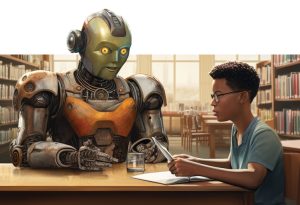
Artificial Intelligence (AI) has quickly entered the public sector workplace and our classrooms, but thus far there is little in the way of local board policies or explicit negotiated provisions to guide its use. When used appropriately to supplement and not supplant human intelligence, AI has its benefits, but the significant labor-relations considerations and student privacy, academic integrity, and discrimination concerns deserve deeper study to preserve teaching, learning, and protect negotiated contracts. Without clear guidance, local unions must prepare for the impact of AI on the job and in the classroom.
Local boards should not develop clear policies regarding AI usage alone, but engage in labor-management discussions to balance innovation with workforce protections and compliance with the collective bargaining agreements. Members and their local union should be forming these workgroups with their local boards now to develop policies and negotiate language as necessary to include in their contracts, such as board notification to the union prior to the introduction or expansion of AI systems that could alter the work of members. Another priority is that, upon request, the board shall negotiate with the union regarding any changes that affect the terms and conditions of employment.
AI is not going away. All employees will benefit from employee training about AI usage and limitations. At the same time, the questions for educators seem endless. While educators might use AI, what are the consequences for students who submit AI-generated assignments? How is use identified? What are the consequences without a board policy? And most importantly: What is and will be the impact of using AI on academic integrity whether the user is the educator or the student?
Questions? Contact your local president or UniServ director.