Why I Belong: The Power of Membership
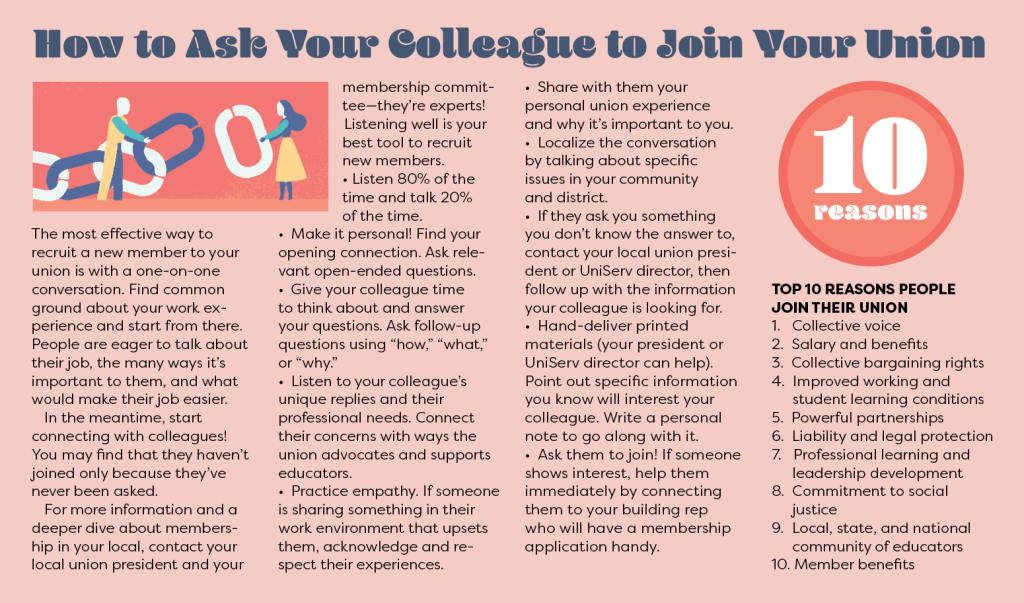
We asked members across categories of union membership why and how they took the step to join. Our members are early career, mid-career, veteran, and retired teachers, education support professionals, administrators and supervisors, and higher education faculty—to a person, they joined because they were asked directly or made aware of what union solidarity means when they needed help.
You can be the light of unionism in your building or worksite by simply sharing your experience, your union network, and your support. In a union like your local and MSEA, you have an immediate family who has your back when you need it and the skills, expertise, and wisdom to honor your contributions to public education and continue making it better for everyone.

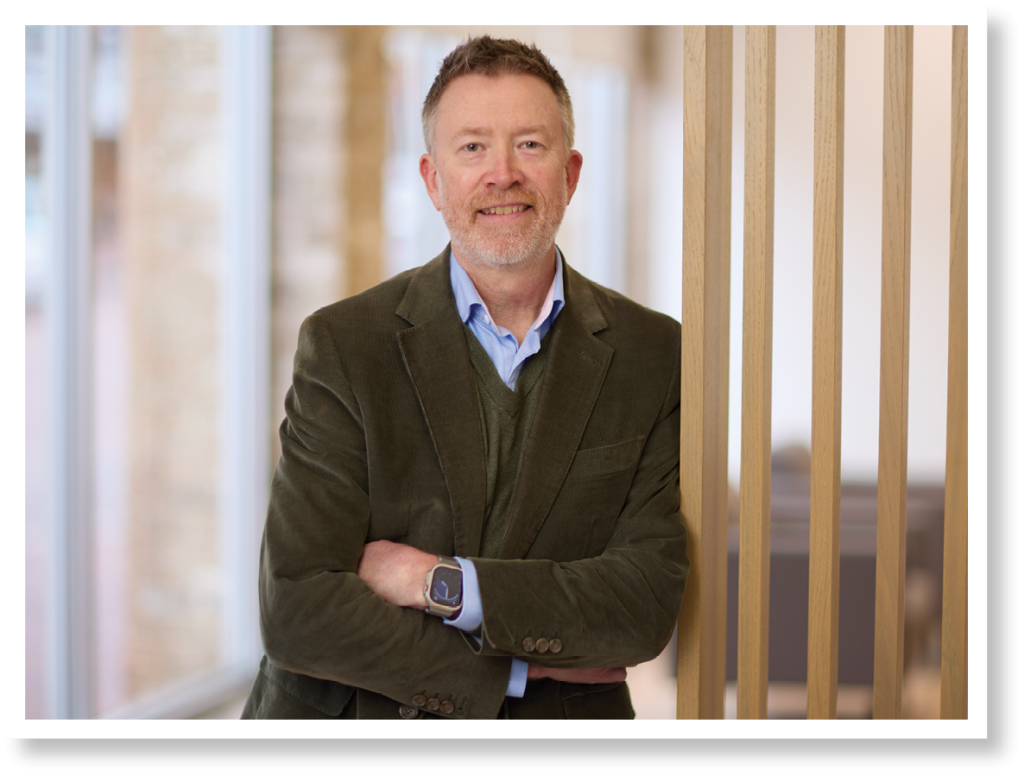
What’s the best part about your job? The way it matters to other people. Being MSEA president is just like being a teacher—your mission is to equip your students and your colleagues for a better life. Everything that hits my desk is consequential for someone, and it’s often a big deal for a LOT of human beings.
What do you value most about being in a union? Kids don’t have lobbyists to represent them, but they do have us! Policymakers, whether they are elected leaders or in the bureaucracy, are so far removed from our schools that they have no real idea how the work gets done every day. They don’t know how technology is impacting kids and classrooms. They don’t know how we keep our information and practices current. They don’t know how we support kids in hundreds of small ways every day.
What convinced you to join the union? Who asked you to join? I was asked by a Seattle Public Schools teacher—who turned out to be the building rep at my school! The most important factor in my decision was having the right to vote on union contracts and leadership. I always participate in the process because I relish my role in a democratic society.
When is a time the union made a difference in your career? When I was government relations chair in my local, I was asked to moderate a debate between candidates for our county council. My students helped gather audience questions and facilitate. It was the first time that I understood how my union work could make a classroom fully connected to the community.
What’s the first thing you say to a new hire about the value of the union? Your union is your platform, your voice, and your community. Education is too hard to do alone!
Who is your union role model? I have quite a few, as there are so many MSEA members I deeply admire! Colleen Morris, for her pitbull tenacity and the determination to fight for certain things as absolutely right or wrong. Nikki Woodward, for her sky-high energy level and work ethic. And I definitely want to be Pete Singleton when I grow up.
What would you say to convince your 10-year co-worker who never joined the union to finally join? I don’t usually need to ask—I make sure all my colleagues know what the union fights for, and I invite them to join in those efforts. Actions are far more convincing than even my best words!
Why is it essential that educators and support staff have a union? Even here in Maryland, we’ve lost ground relative to the cost of living for decades. I met a teacher from Wisconsin, where unions can no longer negotiate contracts, who earns $40K annually. She takes a yearly pay cut because they aren’t allowed— by law—to get a raise that exceeds the rate of inflation. Without unions, our profession and our kids become playthings for politicians who don’t know or care what our communities need.

What’s the best part about your job? The best part of my job is my students. A lot of people write off teenagers, but they’re my source of hope (and silliness).
What convinced you to join the union? Who asked you to join? My godmother was a second-grade teacher and her local teachers’ union president in Pennsylvania. She taught me that being a phenomenal teacher and a union leader were not mutually exclusive. I was proud to continue her legacy when I joined my union.
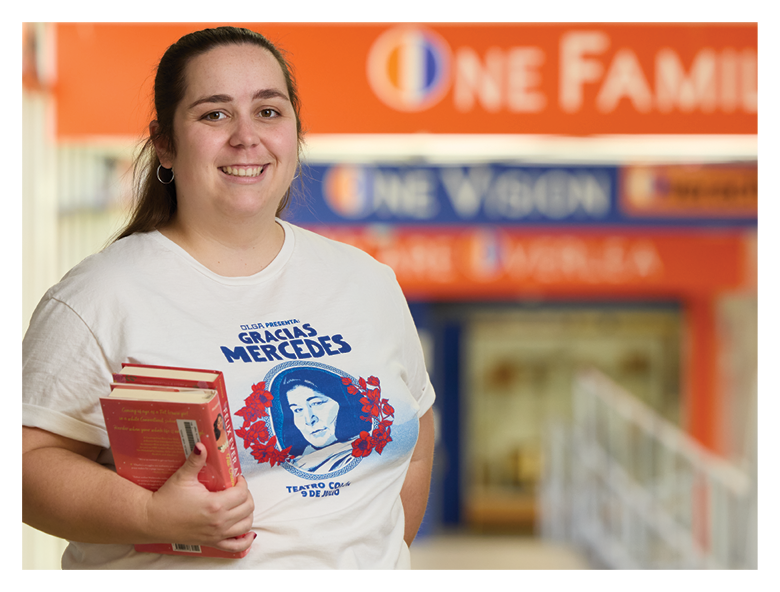
When is a time the union made a difference in your career? My first year teaching Spanish, the world language office had just released a new curriculum. It only included a unit outline and links to resources. TABCO’s Curriculum and Instruction Committee filed a grievance and won a more robust curriculum. I went from spending at least five hours a night planning for two classes to one or two hours a night. I got my free time back because of the union.
Who is your union role model? Jane McAlevey, both for who she was as a person and for the community learning that she facilitated for me. We read her book A Collective Bargain: Unions, Organizing, and the Fight for Democracy in an MSEA book club in 2020.
I later did the Organizing for Power training with a group of Baltimore Teachers Union and TABCO educators. I learned alongside over 8,000 organizers from around the world and even got to talk with teachers in Argentina (where I studied abroad) about organizing (in Spanish!). Jane McAlevey completely changed how I think about organizing, gave me hope in the midst of a global pandemic, and demonstrated how we can use unions to create a more just world.
What would you say to convince your 10-year co-worker who never joined the union to finally join? I’d have to reach deep into my organizing toolkit for this kind of 1-on-1 conversation. I would ask the potential member about what they feel is lacking in their job to help frame the union as a solution in an authentic way. This could even take more than one conversation.

What’s the best part about your job? There’s a deep sense of gratification in knowing that the work I do today shapes the thinkers, leaders, and problem-solvers of tomorrow. When a student finally recognizes their own potential, it’s almost euphoric. Those moments remind me why this profession still matters, especially in times like these. I can rest assured that we will have open-minded critical thinking leaders for tomorrow.
What convinced you to join the union? I had an administrator who micro-managed everything I did and made me feel like nothing was ever enough. I genuinely considered quitting. A colleague asked if I’d spoken with our union rep, and when I said no, she personally walked me to the representative’s office. The rep provided guidance on how to deal with the administrator and helped me understand my rights as a member of the union. That is the day I realized the power and support of our union.
What’s the first thing you say to a new hire about the value of the union? I tell them that our union is a family. When one of us succeeds, we all do. When one of us is struggling, we surround them with support. We are stronger together, and we want you!
What would you say to convince your 10-year co-worker who never joined the union to finally join? In the past 10 years, how many raises have you received? Have you seen how the support of our union helps elect pro-public education legislators and governors who truly support education and respect teachers and our profession? Don’t you want to help? We need you. We want you!
Why is it essential that educators and support staff have a union? There is strength in numbers. Individual voices are heard, respected, and considered. Our collective power for critical issues facing our profession is paramount to further promote our profession and the essential work we do each day.

What’s the best part about your job? I actually cried when we had a Gestalt learner verbally request a cookie at snack time. I’m honored to be on that team for our youngest students coming through my classroom. It makes every day an adventure and magic all in one!
What convinced you to join the union? My dad was a trucker, and anything cool that happened to my family was because of the union. I spent the first three months of my educator career telling my husband how I was going to have to return to a desk job because how else would we make it work? Abbie Bennett, the building rep at my school, spent that first year asking me to join. Finally, I realized I couldn’t afford not to join because of the benefits and protections membership provided.
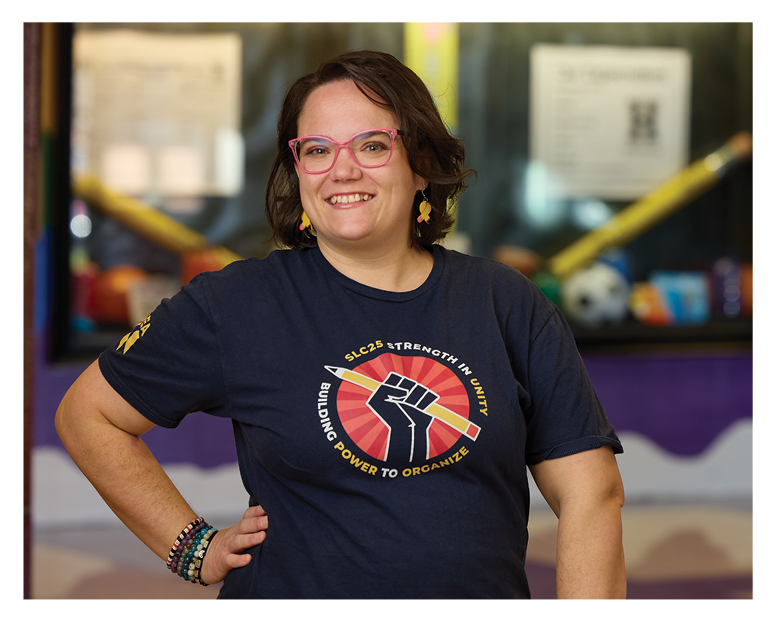
When is a time the union made a difference in your career? When information sessions were held in my county on the new MSEA ESP Bill of Rights, I knew I wanted to join that fight. I have since been an ESP year-round organizer, summer organizer, and team coach. Sharing my knowledge and coaching members from around our state to help them grow their union power is important and gratifying work.
What would you say to convince your 10-year co-worker who never joined the union to finally join? I’ve heard of long-time holdouts joining the union because they see that now is the time. We have to stand together because there is so much division. If we keep having those tough conversations with our co-workers, they will see the power of our united front and join us.
Why is it essential that educators and support staff have a union? Unions are powerful— that’s why organizations have fought for years to tear us down and strip away our bargaining rights. I can’t imagine how much harder I would struggle as a working parent if I didn’t have the union fighting for me.

What’s the best part about your job? I enjoy seeing the moment when an idea clicks for students, and seeing their love for learning and STEM come alive. I love it when we can convert the kid’s perspective from “I don’t want to be here” to “I didn’t know I would love this so much. I’m good at this!”
When is a time the union made a difference in your career? The union has played a vital role in improving conditions across our district by advocating for policies that directly impact both teaching and learning. In Charles County, we have a unique organization in which teachers and administrators are in the same union, EACC. My local’s push for transparent communication and educator involvement in decision-making has built stronger relationships between staff and district leadership.
What’s the first thing you say to a new hire about the value of the union? New hires are often seeking community. The union provides a sense of community through social events and a safe space to discuss issues.
Who is your union role model? My union role model is Dorothy Height, a social worker, educator, and strong union advocate. Although she wasn’t a formal member of a teachers’ union, her work helped shape the values and strategies that continue to guide educator unions today—especially around equity, empowerment, and collective action. She showed that real progress comes from collective action and courageous leadership rooted in compassion. Her commitment to lifting others while challenging injustice reminds me of what strong union leadership looks like.
Why is it essential that educators and support staff have a union? When teachers, support staff, and administrators can work together in a union, everyone benefits because schools function as a team. Each group brings a unique perspective and expertise: teachers understand classroom needs, support staff ensure smooth daily operations, and administrators manage programs and resources. By collaborating in a union, we can address challenges comprehensively rather than in isolation.

What’s the best part about your job? Each year at commencement, I see students walk across the stage and I often know just how hard they fought to earn a degree. I’m reminded what a blessing it is to be an educator and have a front-row seat to such a profound and magnificent moment in their lives.
What convinced you to join the union? Over 60% of our faculty are paid below market value. In my 17 years at the college, we have had many compensation studies. Each one pointed to the inequality of the pay structure, yet no real progress was made. Our very best faculty members are leaving for better working conditions and higher pay.
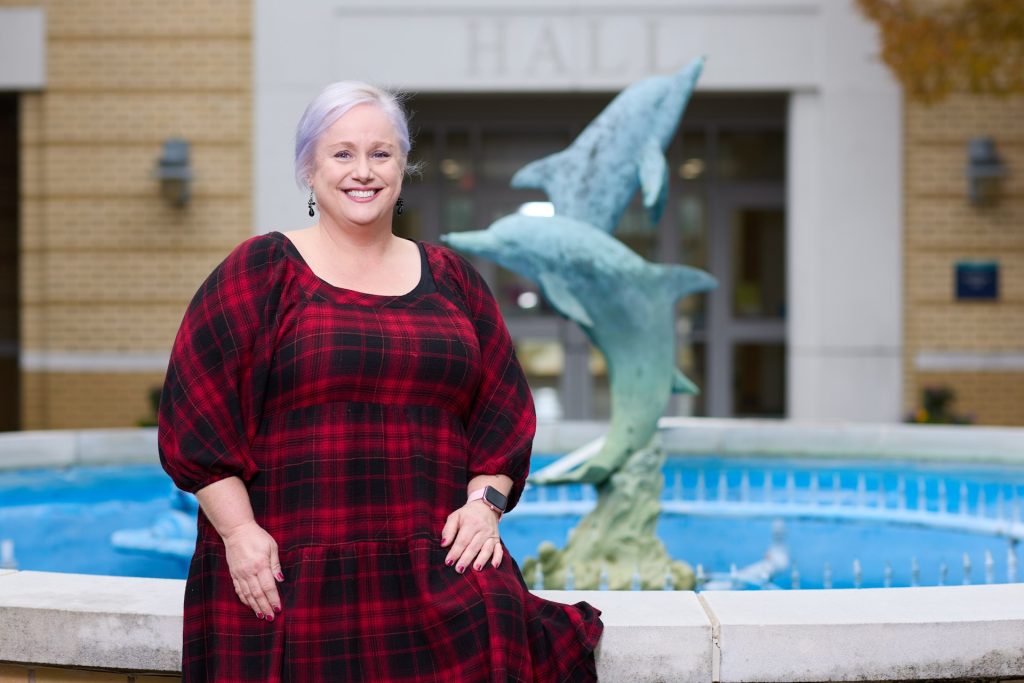
When is a time the union made a difference in your career? When our union recently negotiated our very first contract, the bargaining team made an extraordinary effort to ensure that faculty members received raises and that other work beyond the scope of our jobs was adequately compensated. At the time, I had been a full professor for over five years, worked at the college for 16 years, and I held a PhD. Even after that first raise, I, like many other faculty members, remained in the lowest tier of our salary scale. I know the union will continue fighting for fair pay. For many of us, that makes a real difference in our ability to stay at Wor-Wic and support our families.
What would you say to convince your 10-year co-worker who never joined the union to finally join? Why wouldn’t you want to become part of an organization that’s focused on allowing us to create an environment where both faculty and students can thrive? Joining means that you’ll have a voice in helping us shape the future of the college for our students. We’re stronger when we’re united, and our voice is heard when we show up together. We want to hear your voice and your perspectives as we work together to ensure Wor-Wic remains a place where we all want to work.

What convinced you to join the union? A secretary asked me if I was in the union, and I said no. She informed me of a situation she had involving a challenging principal and how the union protected her. I was hooked immediately. One secretary was placed working on projects that would take extra hours after work. The principal, knowing the extra hours she needed to complete that task, wouldn’t approve her overtime. I was able to help guide the secretary with wisdom from the union to help her retrieve the overtime she earned.
When is a time the union made a difference in your career? One year my overtime pay wasn’t correct, and the school gave me the run-around when it came to finding answers for missing hours. It only took one call with the union to have everything resolved and I received a check the same day.
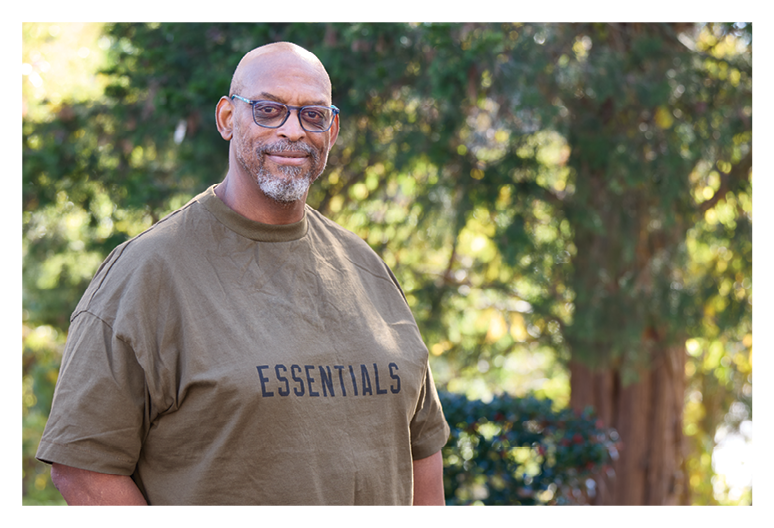
What’s the first thing you would say to a new hire about the value of the union? I would tell a new hire if they like having health care, sick leave, and paid time off then why not join a union that fights for your rights and is also a great group of people!
Who is your union role model? Former MSEA Treasurer Bill Fisher and former MSEA President Betty Weller. They helped me get involved in the union, showed me how to make a difference for support staff lives, and were great mentors. They encouraged me to run for the MSEA and NEA boards of directors. I’m more than fortunate to have had them in my life and can’t imagine how many more people they’ve helped along the way.
What would you say to convince a 10-year public education employee who never joined the union to finally join? There’s power in numbers and when you mess with one person in your union, you mess with us all. Helping people realize that the number of people in your union equals the power of your union is sometimes a challenge, but it is what gets the raises, benefits, and protections everyone deserves and needs.
Derek Hoover-Beet, Program Administrator, Frederick County Administrators and Supervisors Association
What’s the best part about your job? I am in a unique position as a virtual school administrator, therefore I truly have the opportunity to work closely with 13+ schools as the students enrolled in my program come from various elementary and middle schools across Frederick County. The best part of this is getting to collaborate with a variety of stakeholders to help build a community for the same purpose.

What convinced you to join the union? Who asked you to join? I have been a part of a union since I first became a teacher and then continued when I became an administrator. Being part of a union is not just for support, but a community that collaborates for a cause of the greater good.
When is a time the union made a difference in your career? Being part of a union, I was able to build my leadership skills as I was a part of various committees in the teachers union (budget and negotiations) to being a part of the administrator and supervisor union as a board member and vice president. Through this work, I have been able to facilitate and lead various committees as well as work on building trust and positive working relationships across the union and the partnerships we have with central office leaders.
Raegon Clutz, Principal, Washington County Association of Supervisors and Administrators
What’s the best part about your job? The best part of my job is spending time with students in a variety of ways. No two days are ever alike, and I enjoy watching them grow, cheering on their successes, and coaching and supporting them when necessary. I also enjoy working with teachers and staff and helping to support them in their role. Supported teachers are happy teachers, and happy teachers are best for kids.
What do you value most about being in a union? I’m looking forward to having a unified voice amongst the school leaders in our district, helping to share concerns, ideas, and ways to advocate for all of us.
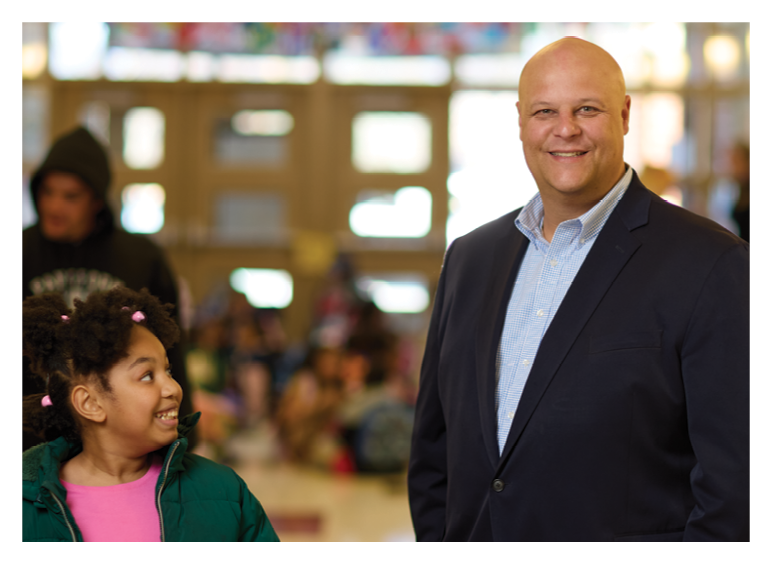
What convinced you to join the union? Who asked you to join? We live in a volatile, litigation-happy, ever-uncertain world these days. Politics and agendas have worked their way into the daily operations of schools. Rumors and falsehoods spread like wildfire, with educators seemingly often guilty until proven innocent in the court of social media and the internet. We need the protection of each other to best serve our staff and students.
Who are your union role models? Neil Becker and Carlos Mellott, two former local union leaders who have had a great impact on teaching in our district.
Why is it essential that educators and support staff have a union? There is power and safety in numbers. Divided we can do little, but united, there is much more we can accomplish to better education and the future of our students. To best serve students, administrators and leaders need the support and backing of each other in the form of a union.